Great to hear Aaron talking about data and what schools should be focusing on. An interesting listen.
7.9.18
Aaron Wilson via Education Hub
Great to hear Aaron talking about data and what schools should be focusing on. An interesting listen.

5.9.18
VR in the classroom


Robyn and I have been lucky enough to have been invited to work with Yvonne from Auckland University's bio engineering department on some Virtual Reality research.
Robyn and Yvonne have developed the content around our current study and have created amazing VR tasks for the students. We used 2 different formats - Google Cardboard and iPads to deliver the content. Yvonne and her team collected all sorts of data from the sessions including heart rates, balance and before and after content knowledge. It has been fantastic to be involved and I look forward to seeing the results!
A really excellent opportunity lies ahead for our students 'creating to learn' using.
31.8.18
DFI - Session 1
I had my first digital fluency intensive today. We learnt a lot of different, nifty tricks to make our digital lives easier. One of the reminders I got was how easy it is to use voice typing to convert speech to text in goggle docs. This is something I need to use more with my students in the classroom.


I also want to run a session with staff at school on google keep. This was invaluable on conference to take all my notes. I like the way you can label things and use it both for personal and professional reminders and notes.
30.8.18
2018 Hui - Reflecting on where to next
At our Manaiakalani hui for 2018 we received some recommendations from Aaron Wilson and Rebecca Jesson from Woolf Fisher. They challenged us that we need to be planning for deeper learning. We have been very focused on lifting our students to be achieving at National Standard, now that the pressure to do this is no longer on us, we are looking to extend and aim for more ambitious outcomes. Here are the 5 nudges they suggested:
- Identify ambitious outcomes (e.g. analyse, synthesise, critique, argue, disciplinary literacy etc).
- Frame these outcomes as open questions or provocations.
- Identify entry level knowledge or key details in the texts and other learning opportunities that will help students achieve the ambitious learning outcomes.
- Design activities that help students develop entry level knowledge or notice details relevant to the ambitious learning outcomes.
- Check regularly to see how students get on without significant teacher input – always aim to provide the least scaffolding students need to achieve outcomes (the deep-end principle)
3.8.18
Celebrating success as we go!
This week during syndicate meeting we all took the time to share some part of our Teacher Inquiry that has been going well.


2.8.18
ISTE - Feeding back
This week I ran a session at staff meeting on FAKE NEWS. I was able to repurpose the slides used in the session attended at ISTE to facilitate this, (many thanks to the presenters who allowed this)
One of the main activities we did was play a game created by Maggie Farley a veteran journalist. The game is called Factitious and staff were challenged to identify between fake and real news reports.
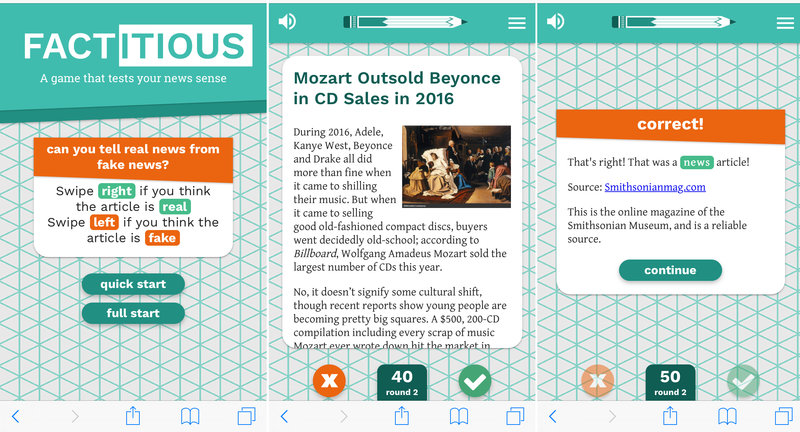
One of the main activities we did was play a game created by Maggie Farley a veteran journalist. The game is called Factitious and staff were challenged to identify between fake and real news reports.
Give it a go for yourself here
30.7.18
Starting the term with a new scaffold

Subscribe to:
Posts (Atom)